
The Dental Filling Process in Prescott Valley, AZ
Receiving Your Dental Filling at Larson
A healthy smile not only contributes to our overall well-being but also enhances our confidence and self-esteem. Dental fillings play a crucial role in restoring both the functionality and aesthetics of damaged teeth, enabling individuals to enjoy a pain-free and beautiful smile. Whether it’s treating small cavities (dental caries) or restoring a larger area of tooth decay, dental fillings have become a routine procedure, ensuring optimal oral health and dental longevity.
To learn more about dental fillings, contact our Prescott Valley, AZ, dentist by calling (928) 772-8128 to set up an appointment.
About Our Prescott Valley Dental Office
For over 20 years, Larson Dental has been the trusted choice for comprehensive dental care in Prescott Valley, Arizona. Led by Dr. Seth Larson, our practice combines exceptional patient care with advanced dental technology to provide comfortable, high-quality treatments for the entire family. We’ve created a warm, welcoming environment where patients feel at home, and our experienced team goes above and beyond to ensure your comfort throughout every procedure, from routine dental fillings to comprehensive restorative care.
Beyond our office walls, we’re actively involved in community outreach through partnerships with organizations like AZ Sonshine, providing free dental education and care to underserved residents throughout Arizona. Whether you need preventive care or complex treatments, our commitment to patient comfort and continuing education has made us a cornerstone of oral health care in the Prescott Valley community.
The Dental Filling Process
The dental filling procedure at our Prescott Valley dental office may change for you depending on the type of dental filling material, such as amalgam fillings or gold filings, you’re receiving.
Examination and Diagnosis
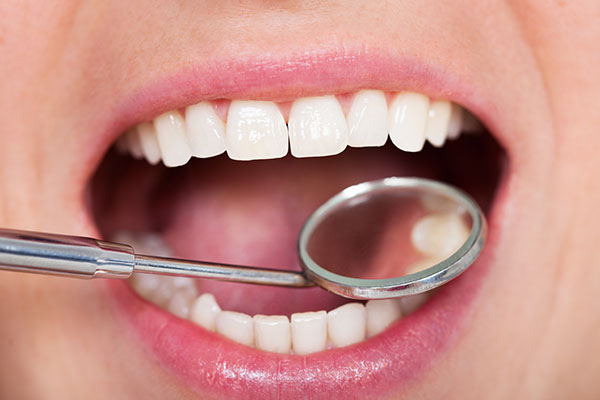
Our Prescott Valley, AZ, dentist begins by examining the tooth and taking X-rays to assess the extent of the damage. The X-rays taken will provide a detailed view of the teeth and can reveal cavities between teeth or beneath the surface. Digital imaging techniques like intraoral cameras may also be used to capture detailed images of the affected tooth.
They’ll ask about your symptoms, such as tooth sensitivity and pain. Based on the findings, our dentist will determine if a dental filling is necessary.
Numbing the Area
To begin the cavity-filling process, our dentist will administer a local anesthetic to numb the area around the affected tooth. This ensures that the patient remains comfortable throughout the process.
In most cases, a rubber dam or cotton rolls will be used to isolate the tooth being treated. This keeps the tooth dry and prevents contamination from saliva.
Removing the Decay
Using specialized dental instruments, Dr. Larson carefully removes the decayed portion of the tooth. The area is then thoroughly cleaned to eliminate any bacteria or debris. The tooth is then shaped and cleaned to create a suitable surface for the filling material to adhere to. This may involve etching the tooth with a mild acid to improve bonding.
Filling Placement
Once the tooth is prepared, the chosen filling material is applied in layers. For composite fillings, the material is applied incrementally and hardened using a special light. The dentist sculpts and shapes the filling to match the natural contours of the tooth, ensuring proper functionality and aesthetics.
Bite Adjustment and Polishing
After the filling material has hardened, the dentist checks the patient’s bite and makes any necessary adjustments to ensure proper alignment. The filling is then polished, providing a smooth surface that feels natural within the mouth.
Dental Filling Aftercare
After your dental filling is placed, be sure to follow proper dental filling aftercare to ensure a successful recovery.
Sensitivity and Discomfort
It’s common to experience some sensitivity to hot or cold temperatures after the procedure. This sensitivity usually subsides within a few days to a week. Over-the-counter pain relievers can help manage any discomfort.
Resuming Normal Activities
You can typically resume normal activities immediately after the procedure. However, it’s a good idea to avoid chewing on hard or sticky foods for a day or two.
Oral Hygiene
Maintain good oral hygiene by brushing and flossing regularly. It’s important to keep the filled tooth and the surrounding area clean to prevent further decay.